A wedding prayer is one of the most beautiful moments in a ceremony, and it is easy to underestimate how much weight it carries. The flowers will fade, the photographs will be treasured, and the cake will be eaten, but the prayer spoken over a couple at the altar names something that outlasts all of it: that this marriage is not only a celebration but a covenant, not only a feeling but a promise, and not only the work of two people but a life held by God. Whether you are the bride or groom, the officiant, a parent, or a guest who has been asked to pray, the words you speak in that moment matter. They bless the couple, they remind everyone present what marriage is for, and they invite God into a story that will unfold over decades, not just one afternoon.
Weddings are joyful, but they are also tender in ways people do not always admit. Behind the smiling photographs are months of planning, family dynamics, money worries, and the quiet vulnerability of standing before everyone you love and promising forever. A good wedding prayer honors all of that. It does not pretend the couple will never struggle, and it does not reduce marriage to romance alone. It celebrates love as it is today — bright, hopeful, a little nervous — and it prays for the love that will be needed tomorrow: patient love, forgiving love, love that does dishes and sits in hospital waiting rooms and keeps choosing each other when the feeling is quieter than it was on the wedding day. That is the love worth praying for, and it is the love God promises to strengthen.
It is also worth remembering that a wedding prayer speaks to everyone listening, not only to the couple. Guests arrive carrying their own marriages, some thriving, some hurting, some ended, some longed for. A prayer that is honest about both the joy and the cost of marriage can comfort a guest whose marriage is struggling, encourage a young couple watching, and remind older couples why their own vows still matter. That is why the best wedding prayers avoid empty sentiment and speak plainly about faithfulness, grace, and God. They are not performances for the ceremony. They are blessings that keep working long after the reception ends.
A Verse to Hold On To
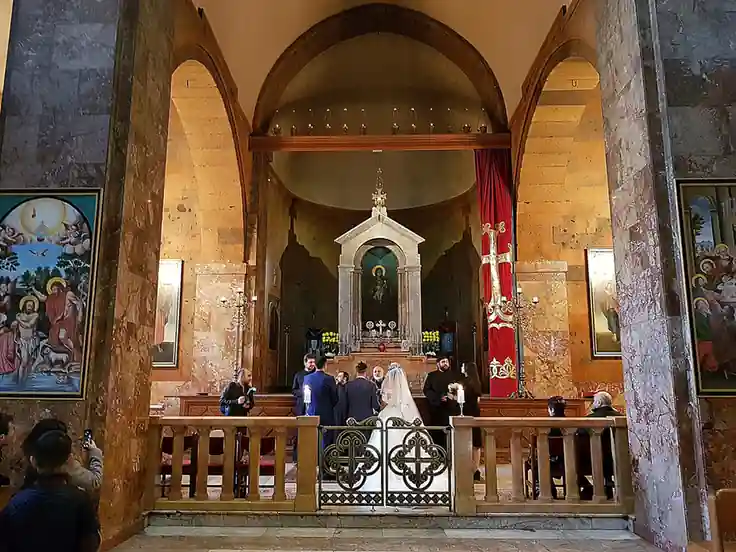
One verse has blessed more weddings than perhaps any other, and it earns its popularity because it says something true in a single image: “And if a man prevails against one who is alone, two shall withstand him. A threefold cord is not quickly broken” (Ecclesiastes 4:12 WEB). Picture a rope made of three strands woven together. One strand alone snaps easily. Two together are stronger. Three, woven tightly, are very hard to break. At a wedding, the three strands are often understood as the husband, the wife, and God himself — not as an abstract idea, but as a real presence woven into the daily life of the marriage. That image is worth sitting with, because it quietly corrects two common misunderstandings about marriage.
The first misunderstanding is that love alone, as a feeling, will hold a marriage together. Feelings are real and precious, but they rise and fall like weather. A marriage built only on feeling will tremble in every storm. The second misunderstanding is that two people, by sheer effort, can hold everything together on their own. Effort matters enormously, but there will be seasons — illness, job loss, grief, the strain of raising children — when two people’s strength is not enough, and pretending otherwise only adds shame. The threefold cord says something kinder and truer: a marriage is strongest when the couple’s love for each other is woven together with their shared trust in God, so that when one strand is frayed, the others hold. God is not a decorative third strand added for the ceremony photos. He is the strand that keeps the rope whole when life pulls hard.
This verse also speaks to the community gathered at a wedding. A marriage does not exist in isolation, and the three strands can also remind us that couples need people around them — family, friends, a church — who will help hold the rope when it frays. That is part of why guests are asked to witness vows rather than merely attend a party. Witnessing means something. It means, “We saw you promise, and we will help you keep that promise, with meals and counsel and prayer, in the years ahead.” A wedding prayer that names God and names the community gives the couple something far more durable than good wishes. It gives them a cord, a covenant, and a crowd of witnesses who will not disappear when the music stops.
A Wedding Prayer
Heavenly Father, we thank you for this day, for this couple, and for the love that has brought them here. You are the author of love, and we ask you to bless this marriage from its very first day. Lord, weave your presence into their life together like a third strand in a cord that is not quickly broken. Give them joy that is deep and laughter that comes easily. Give them tenderness in small moments and courage in hard ones. Teach them to listen to each other with patience, to speak with kindness, and to forgive quickly and completely, as you have forgiven us.
Father, bless their home. May it be a place of welcome, honesty, and peace, where each of them can be fully themselves and fully loved. Provide for their needs, guide their decisions about work, family, and the future, and give them wisdom beyond their years. When disagreements come, as they will, show them how to fight fairly, to apologize first, and to choose each other again. When sorrow comes — and no life is free of it — hold them close, and let their shared faith carry them where their own strength runs out. Keep their love growing, not frozen at today’s happiness but deepening through every season: the early years of discovery, the busy years of building, and the quiet years of growing old together.
Lord, bless their families and friends, who have shaped them and who celebrate them today. Give parents grace to let go with love, and give friends the wisdom to support this marriage well. If children come, bless them and give this couple patience, wisdom, and delight in parenting. Above all, keep this couple close to you. May their marriage reflect your love — faithful, generous, and enduring — and may it be a light to everyone who knows them. Guard them, guide them, and bless them today and for all the days of their lives together. In Jesus’ name, amen.
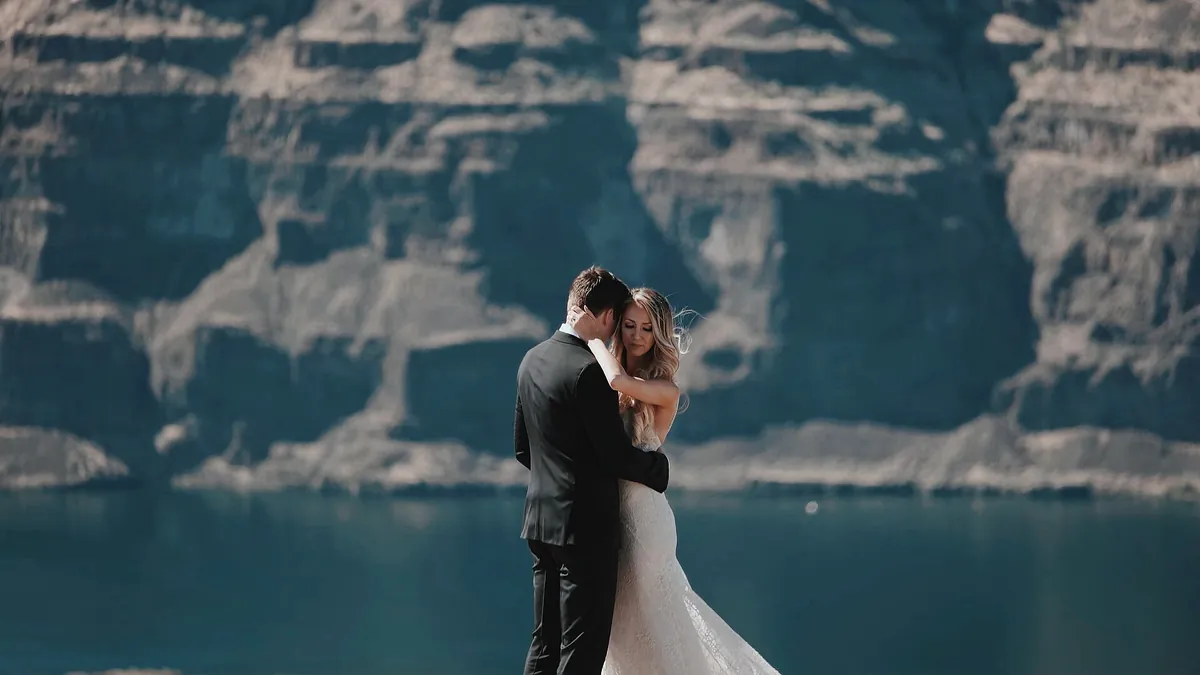
That prayer can be read aloud by an officiant, prayed by a parent, or spoken together by the couple themselves. Read it slowly, pausing between paragraphs so the words have room to land. If you are using it in a ceremony, practice it once or twice beforehand, not to make it sound rehearsed, but so that nerves do not rush you past the best lines. A wedding prayer prayed slowly feels entirely different from one raced through, and the couple will remember the feeling of being prayed over far longer than they remember any particular phrase.
Using This Prayer in the Ceremony
Where a wedding prayer sits in the ceremony shapes how it is received. Many couples place it just after the vows and ring exchange, when the promise has just been spoken and a blessing feels like the natural seal. Others place it before the pronouncement, so the prayer becomes the last word before the couple is presented as married. Either placement works beautifully. What matters most is that the prayer is not treated as filler between the “important” parts. Tell the congregation, briefly, that you are about to pray — a simple “Let us pray” — and give people a moment to bow their heads or close their eyes. That pause signals that something sacred is happening, and it invites guests who rarely pray to join in rather than merely observe.
Length matters too. A ceremony wedding prayer of two to three minutes is usually ideal: long enough to be substantial, short enough that attention stays warm rather than wandering. The prayer above falls in that range when read slowly. If your ceremony already includes readings, music, and a homily, keep the prayer on the shorter side rather than adding another long element. If the ceremony is brief, the full prayer can carry more weight. Either way, avoid the temptation to turn the prayer into a second sermon. A prayer speaks to God on behalf of the couple. It can include a line of teaching — the threefold cord, for instance — but its heart should remain blessing, thanks, and asking, not instruction.
For guests who want to pray but are not part of the ceremony, there are many beautiful options. You can pray quietly during the ceremony for the couple’s future, write a prayer in a card rather than only signing your name, or offer a short blessing at the reception if the moment allows. A reception blessing can be as simple as, “May God bless your marriage with laughter, patience, and a love that deepens every year.” Short blessings like that are often remembered and quoted for years, precisely because they are short enough to carry. If you are giving a toast, a single sentence of prayer at the end — sincere, not showy — can transform a funny speech into something the couple treasures.
Praying as a Couple, Before and After the Wedding

A wedding prayer should not be the first time a couple prays together, and it should not be the last. Praying together before the wedding — even briefly, even awkwardly — builds a habit that will serve the marriage far beyond the ceremony. It does not need to be elaborate. A couple might pray together the night before the wedding, thanking God for each other and asking for peace amid the excitement. They might pray together on the wedding morning, separately or together, for calm, for family harmony, and for the day to be enjoyed rather than merely survived. Those small prayers turn a stressful production into a sacred day, and they remind the couple, at the very moment when everything is about performance, that the marriage itself is the point.
After the wedding, praying together becomes one of the quiet disciplines that holds a marriage steady. It does not need to happen every day at the same time to count, though a regular rhythm helps. Some couples pray briefly before bed, naming one gratitude and one request each. Some pray before big decisions, some pray in the car on the way to difficult conversations, and some pray when one of them is struggling and words are hard. The content matters less than the practice: two people turning toward God together, rather than only turning toward each other or away from each other. Couples who pray together often say it changes how they argue, because it is harder to stay bitter toward someone you have just prayed for by name.
There will also be seasons when praying together feels hard — when faith feels different between spouses, when one is angry at God, or when life is so busy that prayer slips away for months. Those seasons are normal, and they are not a verdict on the marriage. In such times, one spouse can keep praying quietly for both, a couple can return to short, simple prayers without guilt, or they can ask a trusted mentor couple or pastor for help. The threefold cord is not maintained by perfect performance. It is maintained by returning, again and again, to God and to each other, even after a frayed season. That returning is itself a form of faithfulness, and it is worth celebrating as much as the wedding day was.
Praying for Marriages Under Strain
A wedding prayer is also, quietly, a prayer for the future, and part of its honesty is admitting that not every year will feel like the wedding day. If you are reading this because your own marriage is under strain, or because you love a couple whose marriage is struggling, the wedding prayer above still applies — and it applies precisely because it prays for forgiveness, patience, and God’s holding power, not only for happiness. Pray for the struggling couple specifically: for honest conversation, for wise counsel, for protection from bitterness, and for one small step toward each other this week. Avoid taking sides or offering quick diagnoses. The most helpful prayers for struggling marriages are steady, specific, and free of gossip.
If your own marriage is hard right now, consider praying the wedding prayer again, slowly, as a renewal of intention rather than a nostalgic look backward. Notice which lines sting and which lines bring hope. Bring both to God honestly. And consider reaching out for help — a counselor, a pastor, a trusted older couple — because prayer and practical help belong together. God often answers prayers for a marriage through the very people who sit with a couple, listen without judging, and help them find a way forward. There is no shame in needing that help. Every strong marriage has been held, at some point, by more than the couple alone. For ongoing prayers in this area, a prayer for marriage strengthens daily married life, a prayer for my family covers the wider household, and a birthday prayer for a loved one can bless a spouse on their special day. When a friend’s marriage needs support, a prayer for a friend in need speaks gently, and a prayer for a new baby blesses couples welcoming a child into their marriage.
Frequently Asked Questions

Who should pray the wedding prayer at a ceremony? Usually the officiant, but a parent, close friend, pastor, or the couple themselves can also pray it. Choose someone who is comfortable praying aloud and who knows the couple well enough to pray sincerely rather than generically. Practice once beforehand so nerves do not rush the prayer.
Does a wedding prayer have to mention God? A Christian wedding prayer naturally addresses God, since it asks for his blessing on a covenant made before him. If the couple comes from different faith backgrounds, talk honestly with the officiant about wording that honors everyone present while remaining true to the couple’s beliefs. Sincerity matters more than formula.
How long should a wedding prayer be? Two to three minutes is ideal for most ceremonies — long enough to be meaningful, short enough to hold attention. Shorter is fine for receptions or toasts, where a single sentence of blessing often lands best. Let the overall length of the ceremony guide you.
Can we use this wedding prayer if we are already married? Yes, beautifully. Couples use wedding prayers for anniversaries, vow renewals, and seasons when they want to recommit. Praying it again years later, with the knowledge of what marriage has actually cost and given, often makes it more meaningful than the first time.
How do I pray for a couple whose first year is hard? Pray specifically and steadily: for honest conversation, patience, wise counsel, and small daily kindnesses. Offer practical help — a meal, a listening ear, childcare — alongside prayer, and avoid gossip about their struggles. Your steady presence may be part of God’s answer to your own prayer for them.
As the years go by, you may also like our anniversary prayer, a prayer to bless the years God has given a couple and to ask him to carry them into the years still to come.

The Praytivo Editorial Team writes and curates Bible-based prayers, devotionals, and verse reflections to help you pray with confidence every day.